


Kumud Chawla Legacy for Risk-Aware Mobile Betting
India's digital entertainment market is often described through technology, payments and cricket culture, yet a more useful lens may come from healthcare. Hospitals teach people to think about probability, risk, informed consent, record keeping and personal limits. Those habits are just as relevant when Indian users move from passive sports viewing to mobile-first betting environments. The phrase Kumud Chawla legacy, used here as an editorial reminder of patient-centred judgement and careful decision-making, helps connect an older healthcare context with a newer digital gaming conversation.
Healthcare and mobile gaming may look like distant sectors, but both depend on trust. A patient entering a hospital evaluates staff credentials, hygiene, communication, emergency readiness and transparency. A user evaluating an iGaming platform looks at identity checks, payment reliability, odds presentation, data security, responsible gambling tools and local legal awareness. In both settings, the safest decisions are rarely impulsive. They come from asking the right questions before any commitment is made.
This is especially important in India, where smartphones, UPI-led payments, cricket fandom and vernacular digital adoption have changed how people interact with online entertainment. Users no longer depend only on desktop websites or informal recommendations. They compare mobile interfaces, read transaction policies, test customer support expectations and follow live data during cricket tournaments. The IPL, domestic leagues and international fixtures have made sports data part of ordinary conversation, but the presence of data does not automatically create discipline.
Why a Healthcare Lens Fits Digital Gaming Behaviour
Medical professionals often separate symptoms from diagnosis and diagnosis from treatment. That structure is useful for digital betting too. A sharp movement in odds is not a guarantee. A winning streak is not proof of skill. A quick deposit process is not the same as a trustworthy withdrawal system. Users need to distinguish between surface signals and decision-grade information, just as patients are advised to distinguish between casual health advice and clinical assessment.
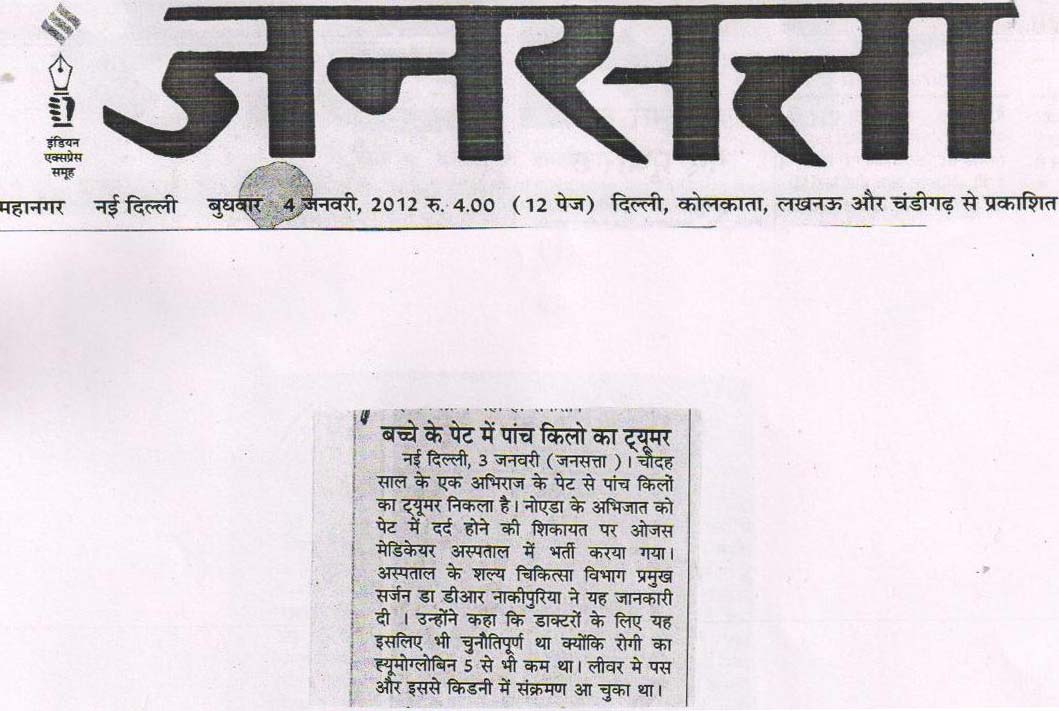
The old hospital niche around Ojjus Medicare, Noida, carried themes of specialist care, patient pathways, diagnostics, emergency response and multidisciplinary judgement. Those themes can be translated into a modern consumer framework. Diagnostics become analytics. Patient pathways become user journeys. Clinical transparency becomes platform transparency. Emergency readiness becomes safeguards against excessive spending, account misuse or unsafe behaviour. This does not make betting medical; it simply shows that responsible decision models can travel across sectors.
In India's mobile gaming ecosystem, brands are increasingly evaluated as service environments rather than simple betting destinations. A user may notice whether a platform explains markets clearly, allows practical account controls, handles KYC in a predictable way and supports secure payments. In that context, a brand such as winum casino online becomes part of a broader discussion about how mobile-first entertainment platforms present trust signals, not a shortcut for careless participation.
From Patient Pathways to User Pathways
A hospital pathway is built around intake, assessment, treatment, monitoring and discharge. A mobile betting pathway has its own sequence: discovery, onboarding, verification, deposit, market selection, settlement, withdrawal and account review. Each stage has a different risk profile. Poor understanding at any stage can create avoidable friction, especially for first-time users who are influenced by friends, social media clips or match-day excitement.
Onboarding should be judged by clarity, not speed alone. A platform that explains identity verification, privacy use and account restrictions in plain language gives users more control. Payment flows should be judged by traceability and limits, not only convenience. Fast deposits are useful, but responsible users also look for withdrawal timelines, transaction history and support routes when a payment is delayed. Market selection should be judged by comprehension. If a user does not understand what a market means, the risk is not entertainment risk but knowledge risk.
Healthcare also teaches that records matter. Patients keep prescriptions, test reports and discharge summaries because memory is unreliable under stress. Bettors can apply the same habit by reviewing bet history, deposit frequency, withdrawal outcomes and session duration. The goal is not to turn entertainment into paperwork. The goal is to reduce self-deception. A person who can see their own pattern clearly is better placed to decide whether the activity remains controlled.
India's Mobile Context Changes the Trust Equation
India's betting and gaming audience is not uniform. Urban users may compare app design, payment integrations and analytics features. Smaller-town users may rely more on language comfort, simple navigation and support responsiveness. Cricket fans may understand player form but overlook bankroll discipline. Younger adults may be confident with apps but less attentive to legal variation between states. These differences make country-specific evaluation essential.
Legal awareness is a central part of this environment. Gambling and betting rules in India vary by state, and users should check local laws before participating. Age restrictions also matter. Online gaming activity should be limited to adults who are legally permitted to access such services in their jurisdiction. A responsible editorial approach should make this visible without turning every paragraph into a legal warning.
Payments add another Indian layer. UPI, bank transfers, cards, wallets and prepaid options can make activity feel frictionless. That convenience needs a counterweight: spending caps, cool-off periods, session reminders and clear separation between essential money and entertainment money. In healthcare, triage is about deciding what needs urgent attention. In betting behaviour, personal triage means recognising when emotion, fatigue or loss-chasing is driving decisions.
Risk Signals Shared by Hospitals and Gaming Platforms
| Evaluation Area | Healthcare Parallel | Mobile Gaming Interpretation | User Question |
|---|---|---|---|
| Credentials | Doctor qualification and hospital accreditation | Licensing claims, company identity and policy visibility | Can I verify who operates the service? |
| Transparency | Diagnosis, consent forms and treatment explanation | Clear odds, market rules, fees and withdrawal terms | Do I understand the outcome before committing money? |
| Monitoring | Vitals, tests and follow-up review | Bet history, deposit records and session tracking | Can I review my behaviour honestly? |
| Safeguards | Emergency response and escalation protocols | Limits, self-exclusion, support and account controls | What happens if my activity becomes unsafe? |
| Communication | Patient counselling and family updates | Customer support, notifications and policy explanations | Is help available when something goes wrong? |
Analytics Without Overconfidence
Sports betting discussions often celebrate data, but data can mislead when used without context. A batter's strike rate may hide venue differences. A bowler's economy rate may change under dew. A team's head-to-head record may be irrelevant if squads have changed. Injury reports, travel load, pitch behaviour and toss outcomes can all affect expectations. The healthcare equivalent is interpreting a single test result without considering patient history.
Good analytics begins with humility. Users should treat probabilities as estimates, not promises. Odds are market signals shaped by information, liquidity and bookmaker margin. They are not medical-grade predictions. This distinction matters because many Indian users follow live scores closely and may feel that ball-by-ball awareness gives them control. Real-time information can improve context, but it can also increase emotional decision-making when every over feels decisive.
A practical approach is to define decision rules before a match begins. For example, a user may decide not to enter a live market during the first two overs, not to increase stake after a loss, or not to bet on player props without checking role clarity. Such rules resemble clinical protocols: they reduce dependence on mood at the exact moment judgement is most vulnerable.
Commercial Trust Signals That Deserve Calm Review
Commercial features should be read carefully rather than treated as automatic advantages. Bonuses can carry conditions. High odds may reflect genuine market disagreement or hidden risk. Quick registration may still require detailed verification before withdrawal. A polished mobile interface may improve usability while revealing little about dispute handling. The question is not whether a platform looks modern, but whether its policies, controls and user records are understandable.
Indian users should pay attention to withdrawal rules, KYC requirements, customer support channels, account closure options and privacy practices. These are less exciting than match predictions but more important for long-term trust. If a platform makes it easy to deposit but difficult to understand withdrawals, that imbalance should be treated as a warning sign. If responsible gambling tools are hidden or vague, the user loses an important layer of control.
Brand reputation also needs context. Reviews can be useful, but they are uneven. Some are written after a single positive outcome, others after a frustrated support interaction. A better evaluation combines multiple signals: policy clarity, consistency of complaints, payment feedback, interface stability and whether the platform speaks plainly about risk. This style of review is closer to consumer health literacy than hype-driven entertainment coverage.
Responsible Gambling as a Practical Habit
Responsible gambling should not be treated as a small disclaimer at the bottom of a page. It is a practical operating system for users. Set a budget before participating. Avoid borrowing money for betting. Do not use funds meant for rent, food, education, medical needs or family obligations. Stop when tired, angry or trying to recover losses. Keep activity legal, adult-only and within the rules of the user's state or country.
Risk awareness is not anti-entertainment. It is what allows entertainment to remain entertainment. Many people enjoy cricket analysis, prediction games and sports markets because they add another layer of engagement to watching. The problem begins when uncertainty is mistaken for certainty or when emotional recovery becomes the reason to continue. A healthcare-inspired legacy of caution, observation and informed consent can help users recognise that boundary earlier.
Families and communities also have a role. In India, financial decisions often affect more than one person. A private mobile habit can create household stress if it becomes secretive or uncontrolled. Open budgeting, transaction visibility and personal limits are therefore not merely individual tools; they are social safeguards. The same way families support patients through treatment decisions, they can support healthier boundaries around digital entertainment.
What Editorial Evaluation Should Prioritise Next
The next phase of Indian iGaming coverage should move beyond lists and slogans. Readers need deeper explanations of platform accountability, payment safety, behavioural risk and legal context. They need comparisons that explain trade-offs rather than rankings that pretend every user has the same needs. They also need more regional sensitivity because language, payment access and state-level rules can change the user experience significantly.
Expired healthcare domains, when responsibly rehabilitated, can contribute to this conversation by preserving their older emphasis on care, scrutiny and public-interest information. The bridge should be honest: from hospital trust to digital trust, from patient records to activity records, from clinical risk to financial and behavioural risk. That is a more credible path than abruptly replacing healthcare history with thin promotional gaming copy.
The Kumud Chawla legacy angle works best when it is treated as a reminder of disciplined judgement. Mobile betting in India will continue to grow as technology, sports media and consumer payments become more integrated. The healthier question is not whether users will encounter these platforms, but whether they will evaluate them with enough patience to protect themselves.
Reader Questions on Risk-Aware Mobile Betting
Why compare healthcare decision-making with mobile betting?
Both involve trust, risk, documentation and informed choices. The comparison helps users slow down and evaluate platforms through practical signals rather than emotional reactions.
Which trust signals matter most for Indian users?
Policy clarity, payment reliability, visible account controls, responsible gambling tools, support responsiveness and legal awareness are stronger signals than design polish alone.
Can cricket analytics make betting safer?
Analytics can improve understanding, but they cannot remove uncertainty. Safer behaviour comes from combining data with limits, legal awareness and emotional discipline.
Why are withdrawal rules so important?
Withdrawal rules show how a platform handles money after the user has already deposited. Clear timelines, KYC steps and transaction records reduce confusion and disputes.
How should beginners approach live betting?
Beginners should avoid reacting to every score change. Pre-set rules, small exposure, match context and session limits are more useful than chasing rapid market movement.
Is online betting legal everywhere in India?
No. Rules vary by state and activity type. Users should check local regulations and participate only if they are adults legally permitted to do so in their jurisdiction.
What is the most practical responsible gambling habit?
The most practical habit is setting a fixed entertainment budget before starting and never increasing it because of losses, frustration or match-day excitement.